

RUN BETTER WITH OUR NEWSLETTER
Weekly updates on gear, offers & events
JOIN NOW
We often come across customers with out-toeing feet (commonly known as duck feet). So, if you've noticed your knees are externally rotated and your feet are significantly toeing-out during your walk or run, here are some tips for limiting pressure on your body.
One way to determine if your feet are out-toeing while running is to stand in a relaxed position and take a few steps back and forth, then look down. If you are unsure about the position of your leg while running, get someone to record a video of your run or walk from behind. Out-toeing can potentially increase stress on the outer ankle and knee. By doing some simple exercises you can lessen chances of injury and improve your overall running mechanics.

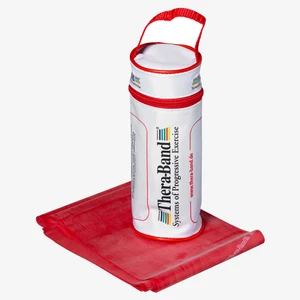
The red band provides medium resistance (5.5 pounds of force when stretched to 200% of its length); green provides a heavier resistance of 6.7 pounds; blue provides heavier resistance (with 8.6 pounds of force). Higher resistance bands are great for people who already work out regularly. Beginners may want to start with a lower one.
Slight out-toeing is totally normal. Your feet probably won’t be 100% straight when you run. But it’s important to keep correct landing mechanics. If you’re a heel-striker your foot should land on the outside of your heel and push off from the big toe. Natural dorsiflexion and stiffness created by the foot arch and ankle give a powerful push off. If you out-toe while running that efficiency is reduced. Correct posture during movement is important for both injury prevention and running performance. If you want to run fast, significant out-toeing can slow you down and limit the power generated during push-off.
Our body will never be fully and perfectly aligned, so little imbalances are normal. We have a dominant and non-dominant leg, exactly as we do with our arms. The generation of force is uneven, which sometimes can cause over- or under-usage of the limbs. If only one leg turns out when you run, you’ll naturally focus more on that leg when doing the exercises, but it’s important to do the routine on both legs to maintain equal strength and prevent imbalances.
Also, it might be helpful to have a closer look at your hips, as they might be imbalanced. Implementing additional stretching or strengthening exercises might be beneficial! Find out more in Hip Mobility Exercises for Runners »


Kicking out your feet while running is your body compensating, due to weak adductors and internal hip rotator muscles. Think of your body as trying to move in the easiest way possible, which will not necessarily be the best or healthiest for you. If the strength of your adductors or internal hip rotators is not sufficient to cope with the reactive forces of running, that ‘flick’ or ‘kick’ is just your body trying to complete the task it’s been given by you. Exercises for improving out-toeing will reduce that ‘flick out’ as well.
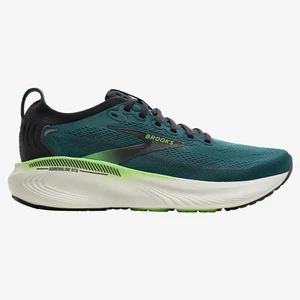
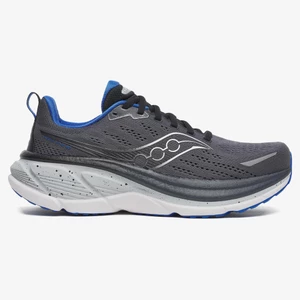
Running with an out-toeing gait is usually connected with overpronation, so we often find our customers need stability shoes. However, fitting is very individual and there are plenty of supportive shoes on the market. We highly recommend that you to get properly fitted. We offer in-store gait analysis, or online gait analysis.
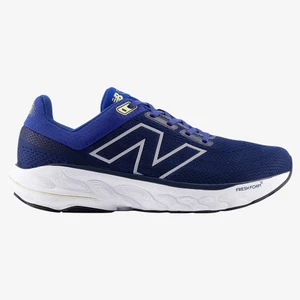
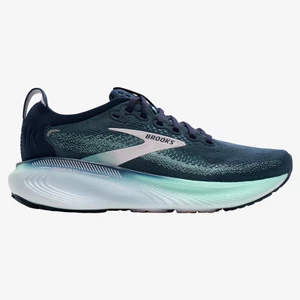
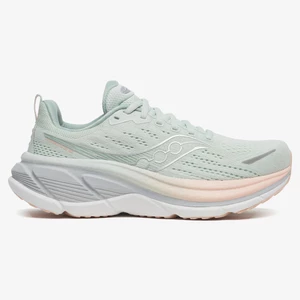
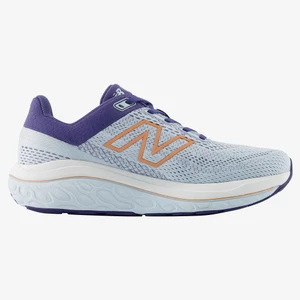
Here are some popular stability shoes:
These are exercises that we've found very useful and want to share with our customers. But we're not certified instructors. Always consult your specialist before beginning any exercise programme. This general information is not intended to diagnose any medical condition or to replace your healthcare professional. Consult with your healthcare professional to design an appropriate exercise prescription. If you experience any pain or difficulty with these exercises, stop and consult your healthcare provider.


In runners, pain can come about from overuse injuries in which muscles, tendons and ligaments can become inflamed.

Inflammation in the Achilles tendon is called Achilles tendonitis. This is due to the repetitive stress, which causes micro-tears to the tendon.

Sometimes a runner's feet just don’t get the care and attention they deserve.

Incorporating lower body exercises, especially ones targeting your gastrocnemius and soleus, is the best way to strengthen your muscles.
Leave a Comment
This site is protected by reCAPTCHA and the Google Privacy Policy and Terms of Service apply.


AnnJuly 24, 2024 at 12:58pm
Hi there,
Many thanks for your email. Our lovely colleague has demonstrated this in the first video above.
Thanks
ReplyAnn
De DeJuly 20, 2024 at 6:00pm
What are the exercises for duck feet? ReplyJuliaNovember 15, 2023 at 11:30pm
How often do you recommend doing these exercises? ReplyNandanti MartaskovaNovember 17, 2023 at 2:10pm
Hi Julia,
Thank you for your comment. Regarding the frequency of exercises it is up to you. It depends on different factors like how fast you would like to make progress, how much time you have, how worried are you to get an injury or how much running you do ett...
Hope this helps. Good luck with your running.
Kind regards
ReplyNandanti
Darren smeraldOctober 10, 2021 at 11:50am
I run like a duck. Everyone calls me the penguin. I think it’s because I’ve always got a stiff muscle. ReplyMookieNovember 26, 2020 at 3:58pm
This is very useful, thank you. What do you call the long stretchy ribbon you use in the video? ReplyGoska DuzykNovember 27, 2020 at 1:07pm
Hi Mookie,
ReplyI hope you're well and healthy!
Thank you for your comment. I'm using Thera Band for any exercises/stretches. Different colours provide different level of resistance. For exercising I'm using blue or black. For stretching/mobility I suggest to use red or green.
Please find more information about the product here »
Happy exercising and running!
AlexOctober 5, 2020 at 7:34pm
What are the best shoes for duck feet when running? ReplyGoska DuzykOctober 6, 2020 at 9:57am
Hi Alex,
Usually running with duck feet is also connected with overpronating. Most of my customers with splayed feet need supportive shoes. However, fitting is very individual and there're plenty of supportive shoes on the market. I would highly recommend for you to get properly fitted in a specialist running store, like Run and Become. We offer in-store gait analysis, or online gait analysis.
Reply