
10% OFF YOUR FIRST PURCHASE
When you subscribe to our weekly newsletter
SUBSCRIBE
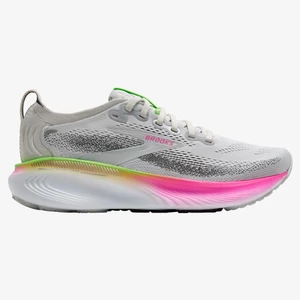
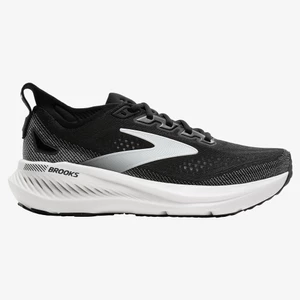
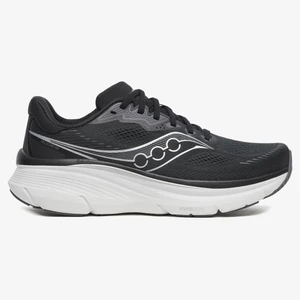
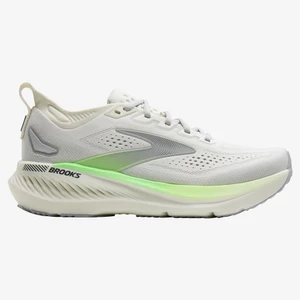
Looking for the best stability running shoes for overpronation? We’ve tested and selected the best supportive running shoes for road running – including options for wide feet, maximum cushioning, mild stability and more. Whether you're marathon training or doing everyday mileage, if your feet collapse in, or you've got flat feet, you'll likely benefit from an anti-pronation shoe.
Stability running shoes (AKA antipronation shoes) have built-in guidance to help keep your feet in natural alignment and support good running posture, especially if they naturally tend to collapse in. This either takes the form of a denser material on the medial side (inside) of the midsole, or (more commonly) a geometry-based system throughout, to guide the path of the foot as it hits the ground.
Rather than having a naturally stable (neutral) footstrike, runners commonly overpronate (i.e. the feet roll inwards over the arch). This can put pressure on achilles, knee or hip joints as they rotate to follow the foot’s movement. As running is such a repetitive motion, this can lead to strain or injury if it’s not supported and corrected by the shoes. Therefore many runners will end up benefitting from some kind of stability in their shoes.
There’s a huge range of different support types within that category. Comfort should always be a priority. The right stability shoe should feel naturally supportive rather than forcing your foot into position. Modern support shoes tend to guide the foot rather than aggressively blocking pronation.
That’s a really good question! The best way is to visit our London running store for Natural Gait Analysis. This personalised service makes sure your running shoes match your natural running style. By watching you run, we’re able to see not just how stable your feet are, but also how your whole body works when you run. Once we've had a chat about your training goals and any injury concerns, we're able to determine what type of shoe will work best for you, and you can try a few pairs on. If you can’t get into our store, our Online Gait Analysis is a good option.
Otherwise, if your feet roll excessively inwards while running and you're experiencing discomfort, stability running shoes may help provide a smoother and more supported stride. Below are our top supportive road-running shoes. These are models frequently fitted by Natural Gait Analysis Experts at our store.


Mild support: works best for runners with slight overpronation or those who simply want a little extra guidance as fatigue sets in during longer runs.
Moderate/strong support: is designed for runners who experience more noticeable inward rolling, fatigue-related instability, or recurring discomfort linked to overpronation, such as arch pain (plantar fasciitis) or knee pain. Modern stability shoes are far less intrusive than older “motion control” designs, so support no longer means a stiff or clunky ride.
Heel collapse: happens when the rearfoot rolls inward after landing or when the foot quickly collapses inwards from heel to midfoot. Runners who notice uneven heel-wear or ankle instability often benefit from shoes with stronger heel guidance and a secure heel-counter.
Arch collapse: refers to the midfoot flattening more than normal during the stride. A degree of arch lowering is natural and helps absorb impact, but some runners benefit from added guidance through the arch and midfoot. Many modern stability shoes now start to guide the foot from the arch, extending into the midfoot, rather than relying on a single medial post.
Stability shoes now come in everything from lightweight daily trainers to highly-cushioned distance models. More cushioning doesn’t automatically mean more stability, in fact a softer shoe can often be less stable. As long as the stability built into the shoe is well designed though, you’ll have nothing to worry about.

These shoes are best for runners whose feet first strike the ground at the heel and roll inward immediately on landing. They provide firmer rearfoot guidance, for runners with moderate to severe overpronation.
| Product | Best For | Key Features |
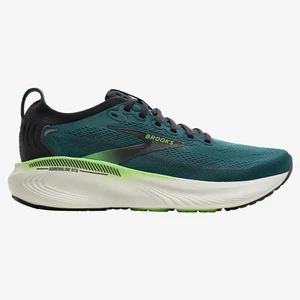
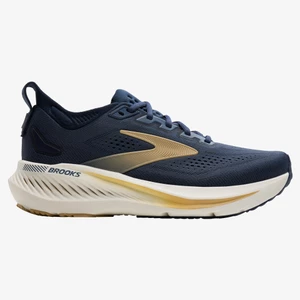
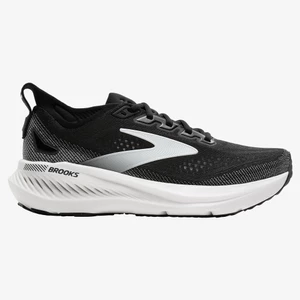
| Brooks Adrenaline GTS | Reliable, gradual support | Best seller + width fittings |
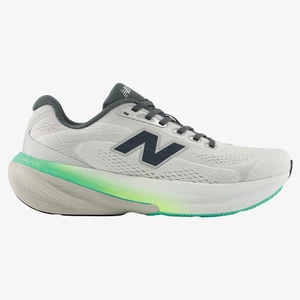
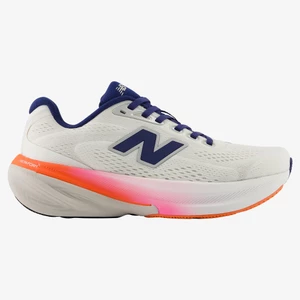
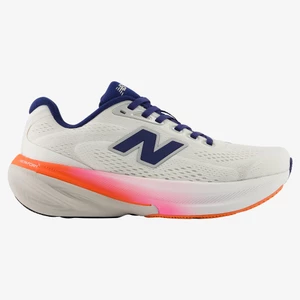
| New Balance 860 | Width fittings | Lower heel-toe drop (6mm) |
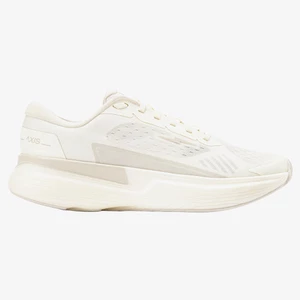
| Hylo Axis | Sustainability + road grip | Ultra smooth roll through |
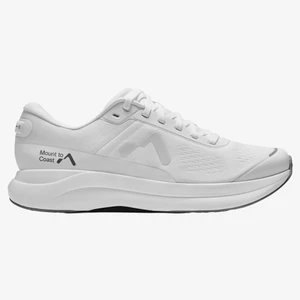
| Mount to Coast P1 | Cushioning + long distance | Lightweight + durable |

These shoes are best for runners with moderate to significant overpronation, who need stability further forward than in the heel.
| Product | Best For | Key Features |
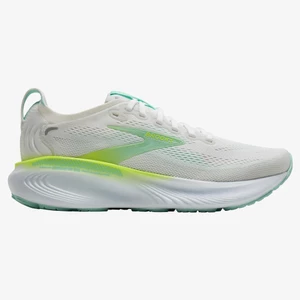
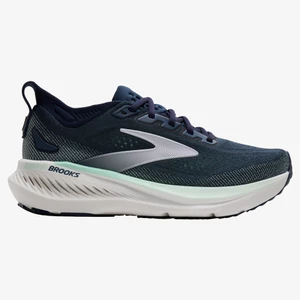
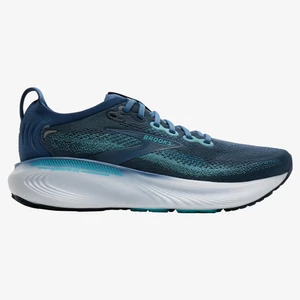
| Brooks Glycerin GTS | Cushioning / long distance | Natural guidance + width fittings |
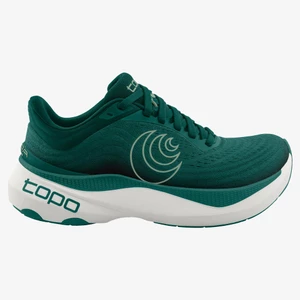
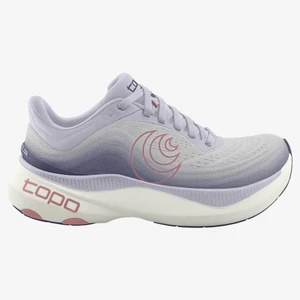
| Topo Aura | Springy feel / splayed toes | Spacious toe-box + 5mm heel drop |
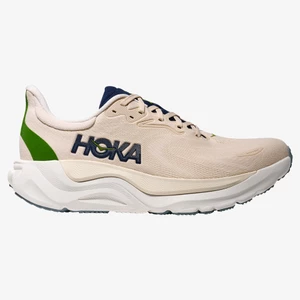
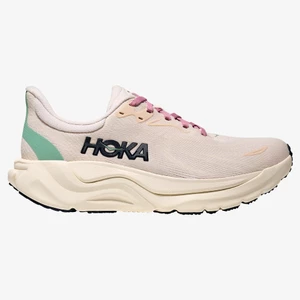
| Hoka Arahi | Smooth ride | Rocker midsole + width fittings |
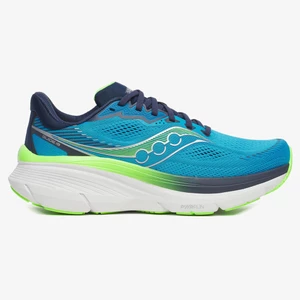
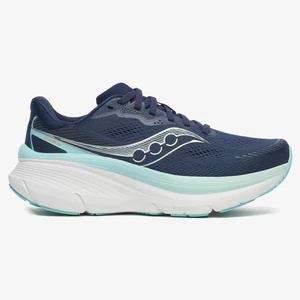
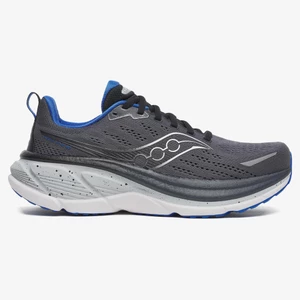
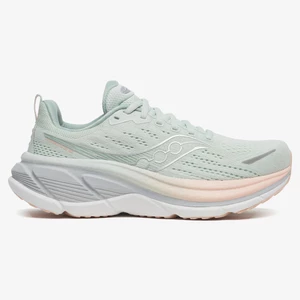
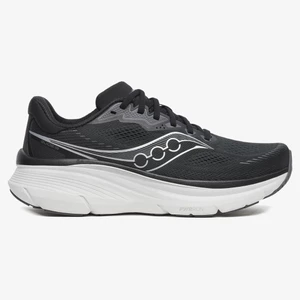
| Saucony Guide | Stability | Springy cushioning + width fittings |

These shoes are best for runners only overpronate slightly. They're also good for those running longer distances who lose a bit of their natural stability when fatigued.
| Product | Best For | Key Features |
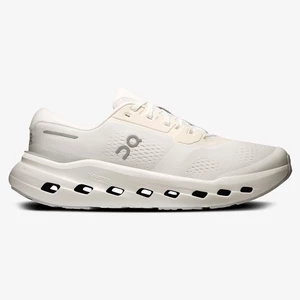
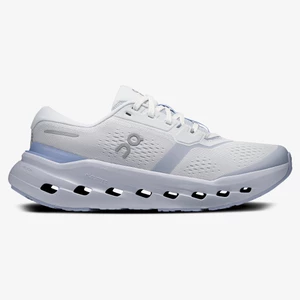
| On Cloudrunner | Subtle guidance | Smooth transitions + width fittings |
| Mount to Coast P1 | Cushioning + long distance | Extra lightweight |
| Hylo Axis | Sustainability + road grip | Powerful push-off |
| Brooks Adrenaline GTS | Higher heel-toe drop (10mm) | Best seller + width fittings |

These stability shoes absorb the most impact. They're more protective for longer distances, recovery days or when returning from injury. Most marathon runners will benefit from a cushioned shoe. It’s important to get the right combination of cushioning-type and support-type though.
| Product | Best For | Key Features |
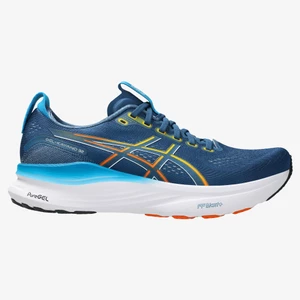
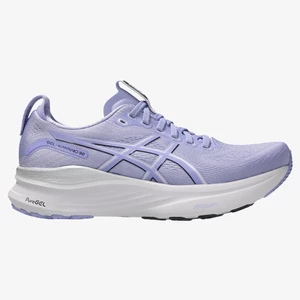
| Asics Gel Kayano | Luxurious feel | Max cushioning + versatile support |
| Topo Aura | Low heel-toe drop (5mm) | Lighter weight + spacious toe-box |
| Saucony Hurricane | Plush feel around foot | Max cushioning + Medium support |
| Brooks Glycerin GTS | Natural guidance | Best seller + width fittings |

Runners with flat feet will almost always overpronate, as the arch is not able to create support for the foot naturally. Stability shoes are therefore often beneficial. It's important not to have an arch that's too built-up inside the shoe though, as this can be uncomfortable and cause blisters. Getting the right width in the midfoot can also be especially important.
| Product | Best For | Key Features |
| New Balance 860 | Width fittings | Lower heel-toe drop (6mm) |
| Brooks Adrenaline GTS | Higher heel-toe drop (10mm) | Best seller + width fittings |
| Hylo Axis | Sustainability + road grip | Smooth flow through stride |
| Mizuno Wave Inspire | Energy return and spring | Lighter + 10mm heel-toe drop |

It's so important to have enough room in your shoes when you're running. If your arches can't flex with your feet, this can increase the impact on your joints. Not having enough space for your feet to swell in warmer weather or on longer distances can impact circulation, or just be uncomfortable. That's why we stock plenty of options for runners with broader feet.
| Product | Best For | Key Features |
| New Balance 860 | Broadest options | Men's 2E + 4E / Women's D + 2E |
| Brooks Adrenaline GTS | Natural guidance | Best seller + Extra wide in men's |
| Brooks Glycerin GTS | Cushioning + long distance | Natural guidance |
| Saucony Guide | Strong support | Low heel-toe drop (6mm) |

For runners tackling their first marathon, or for anyone seeking to complete rather than compete, comfort is a priority. We've selected some examples of well-cushioned stability shoes, but for long distances it's even more important to know your foot strike, and what type of support you need. Go for suitability over looks – you really won't care what they look like at mile 20 but if you've got blisters you'll be miserable.
| Product | Best For | Key Features |
| Topo Aura | Lowest heel-toe drop (5mm) | Spacious toe-box |
| Brooks Glycerin GTS | Reliable hold + plush feel | Max cushioning + natural guidance |
| Hoka Arahi | Those with a stiffer foot, or needing flexibility | Rocker sensation + natural guidance |
| Saucony Guide | Strong support + springy cushioning | Low heel-toe drop (6mm) |

If you need some stability, but you're doing fairly low mileage, you're running shorter distances like 5k-10k, or you're doing fast-paced work like tempo sessions, you might prefer to go for a lighter-weight shoe. These give you that extra sense of freedom, while still having plenty of cushioning.
| Best For | Key Features | |
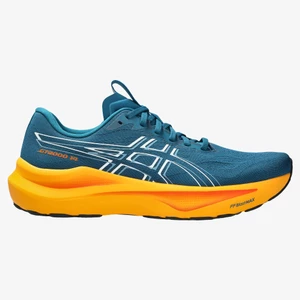
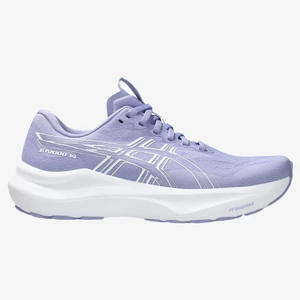
| Asics GT-2000 | Firmer cushioning | Natural guidance + responsive feel |
| Saucony Guide | Stability | Low heel-toe offset (6mm) |
| Hoka Arahi | Smooth ride + soft feel | Bestseller + width fittings |
| Hylo Axis | Sustainability + road grip | Flexibility and smoothness |

It's worth reiterating that there's no one best shoe; the important question is: which one is right for you? But there are some we often find work most reliably for our customers during our in-store shoe-fittings, and that are go-to models for our Natural Gait Analysis Experts. Here's a selection...
| Product | Best For | Key Features |
| Brooks Adrenaline GTS | Versatility across all types of training | Higher heel-toe drop (10mm) |
| New Balance 860 | Choice of width fittings | Lower heel-toe drop (6mm) |
| Brooks Glycerin GTS | Cushioning + long distance | Max cushioning + natural guidance |
| Saucony Guide | Strong support + springy cushioning | Lower heel-toe drop (6mm) |
Wishing you many miles of comfy, injury-free running! Get loads more free tips from our expert advice team:
A. Shin splints often come from a combination of overpronation and over-training. More often than not there’s a stability factor – the foot is rolling in and twisting the lower leg. Shin splints can also be due to other factors though, such as insufficient cushioning in the shoes, or tight calves.


Best Running Shoes for Wide Feet: Spring 2026
If you've got wide feet, bunions, high volume feet or really high arches you'll need wide-fitting running shoes. Here's your expert guide for this season.
How Do I Know My Foot Strike When Running?
Knowing your foot strike and gait is crucial when choosing running shoes. Find out if you're neutral, overpronating or supinating, and what to do next.
Best Neutral Running Shoes: Spring 2026
Are your feet naturally stable? Whether you want the most cushioned, most flexible, or zero-drop, here are the season's best neutral running shoes.
Best Marathon Running Shoes: Spring 2026
Wondering how to choose the best running shoes for your marathon? Whether you're a beginner or you're seeking a faster time, here's what to keep in mind...
Leave a Comment
This site is protected by reCAPTCHA and the Google Privacy Policy and Terms of Service apply.