


10% OFF YOUR FIRST PURCHASE
When you subscribe to our weekly newsletter
SUBSCRIBE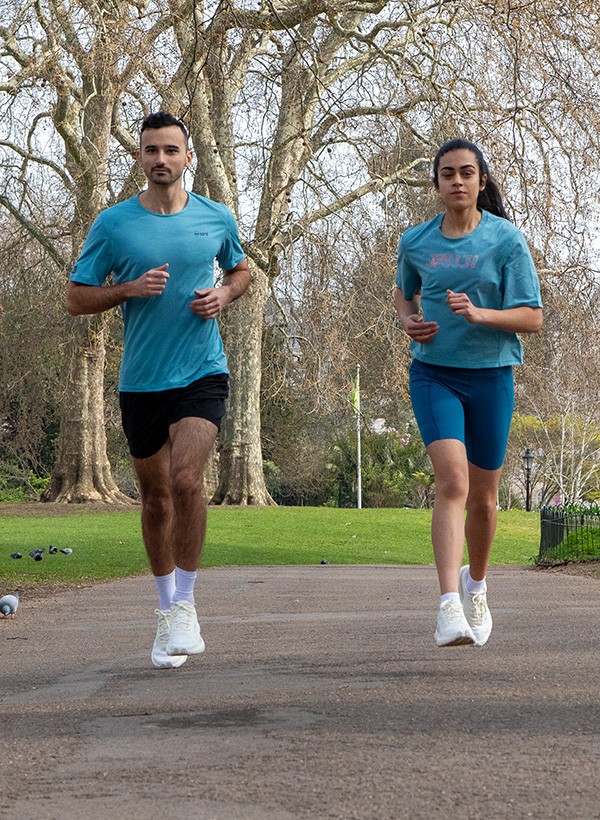
Looking for the best stability running shoes for overpronation? We’ve selected the top supportive road-running shoes, for daily mileage, marathons & more...
Read More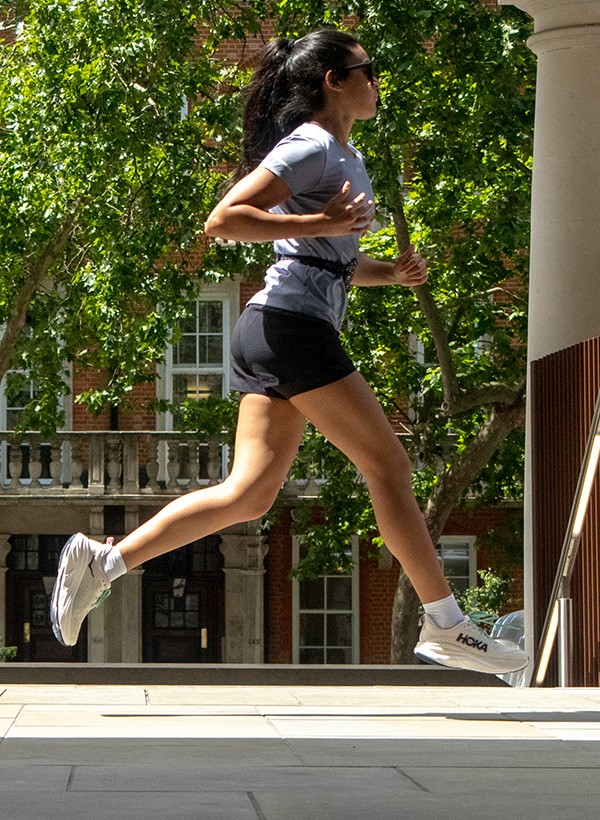
Are your feet naturally stable? Whether you want the most cushioned, most flexible, or zero-drop, here are the season's best neutral running shoes.
Read More
Many running shoes use plant-based materials, but some are 100% vegan, including the glues. Check out our top selection of totally vegan running brands.
Read More
Wondering how to choose the best running shoes for your marathon? Whether you're a beginner or you're seeking a faster time, here's what to keep in mind...
Read More
Planet-friendly meets high-performance with our most sustainable high quality running shoes: made with recycled materials and innovative technology.
Read More
Looking for well-cushioned road-to trail shoes or grippy low-profile options? Need a bit of stability or a wide fit? Here's the season's top running picks.
Read More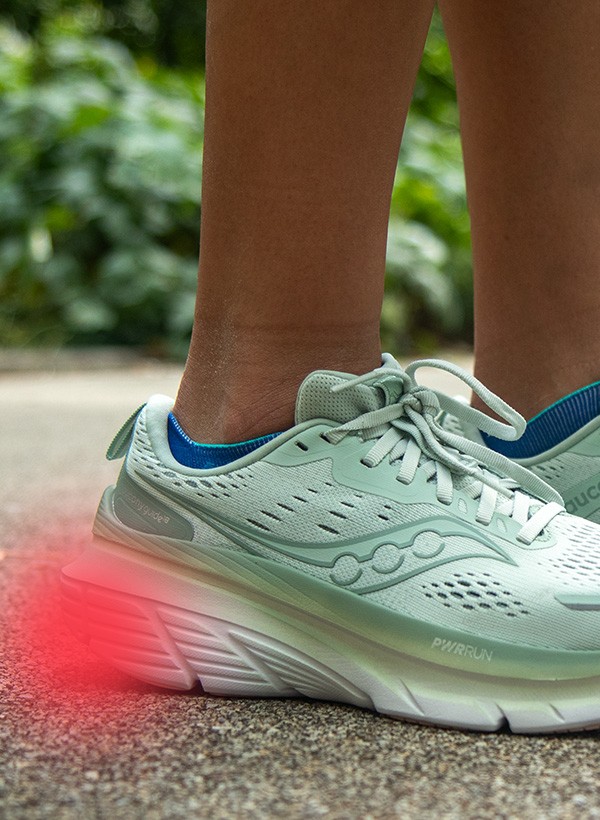
Plantar fasciitis – pain in the sole of the foot, especially the heel & arch – is the 3rd most common running injury. Find the best running shoes.
Read More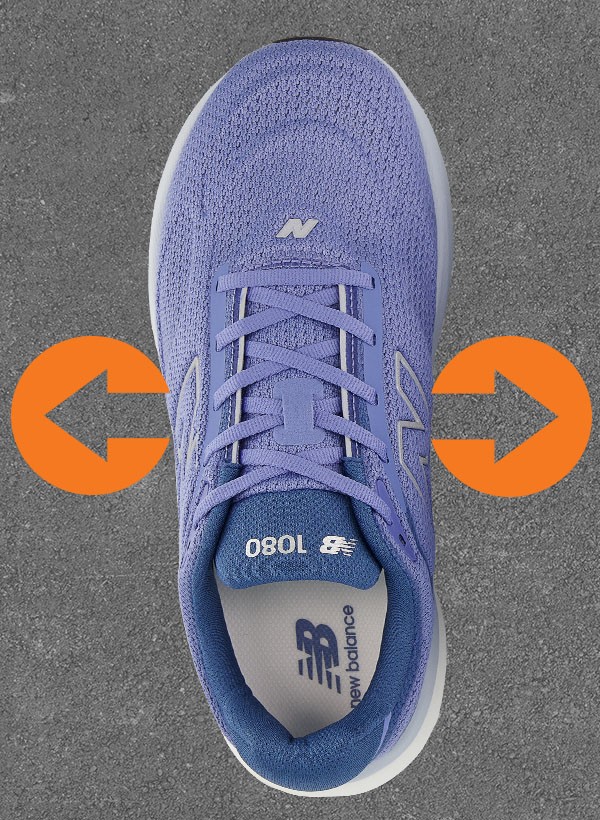
If you've got wide feet, bunions, high volume feet or really high arches you'll need wide-fitting running shoes. Here's your expert guide for this season.
Read More
Is it good to walk to work? Are running shoes good for walking? What to look for in your commuting shoes: in terms of cushioning, support & flexibility?
Read More
Whether you want to shave some time off your PB, or you're looking for light & responsive running shoes for speed work, check out the latest road racers.
Read More
Raring to hit the track but not sure which spikes to go for? Discover the latest designs of the best sprint, distance & field spikes and reach for your PB.
Read More
While there's no such thing as the perfect trainers to defeat shin splints, depending on the cause, new shoes can make a huge difference.
Read MoreUK Delivery is FREE on orders over £10.
International Delivery within 3 working days via DHL (prices vary according to country).
Priority First Class Delivery within 3 working days (charge £5).
Next Day Delivery available weekdays on orders placed before 3pm for next working day delivery (charge £7.50).
Orders placed Monday - Friday before 3pm will be dispatched the same day.

